
Understanding Polarized Sunglasses: Essential Guide for Retailers
Introduction to Polarized Sunglasses
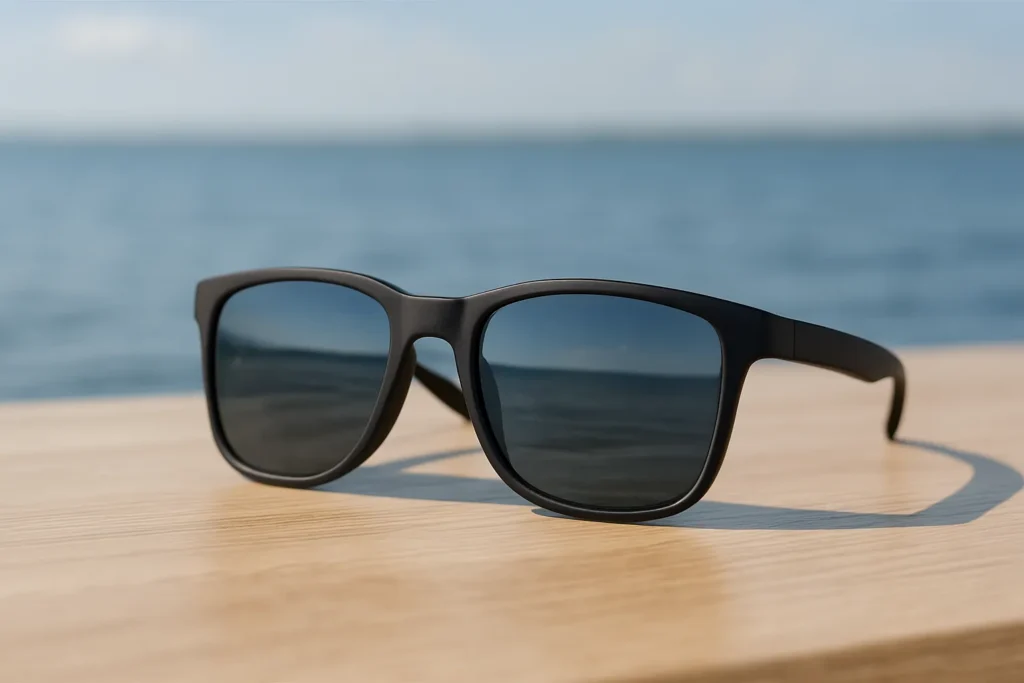
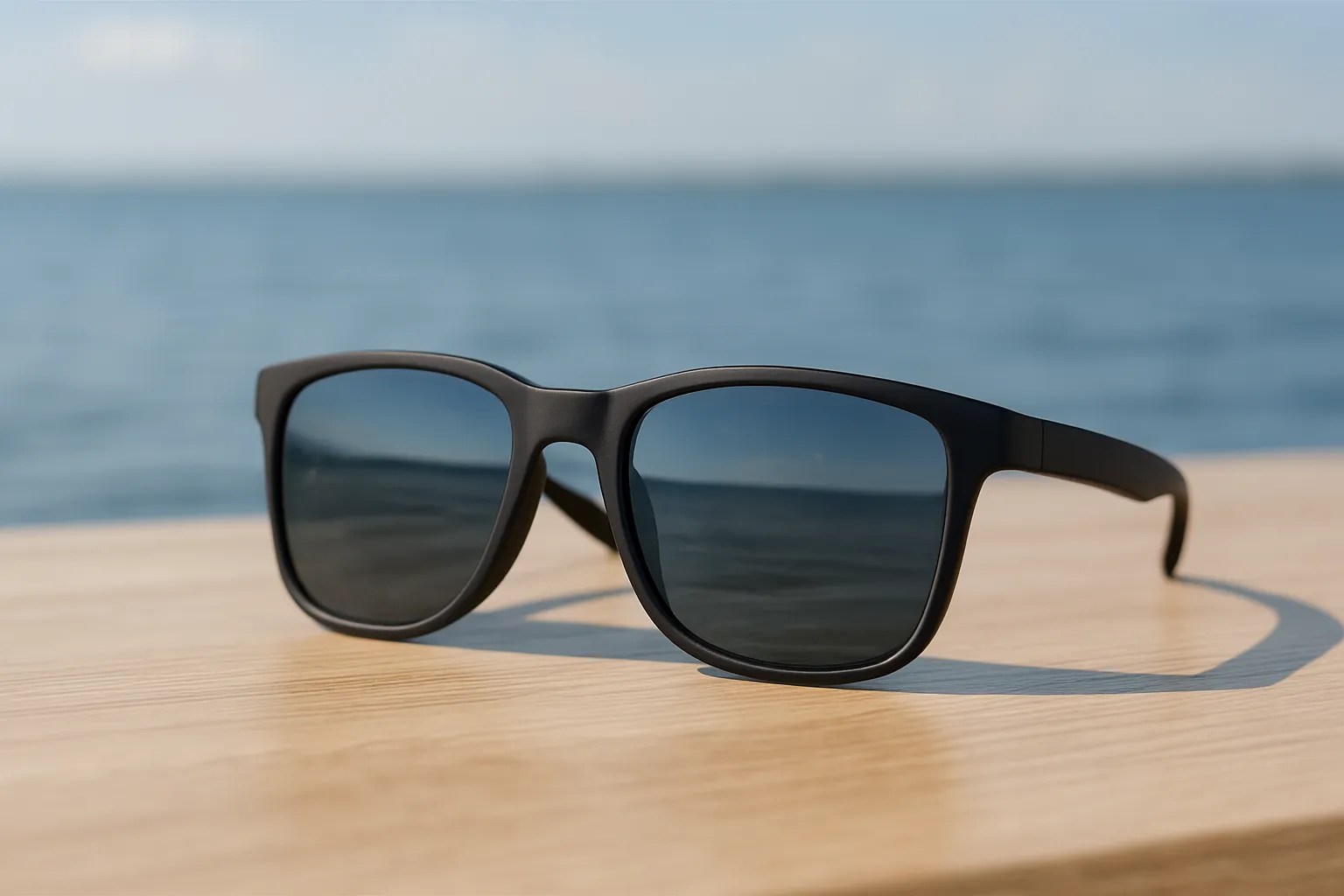
Polarized sunglasses are specialized eyewear crafted to minimize glare from reflective surfaces such as water, snow, and roads. This technology not only enhances visual clarity but also boosts comfort, making them a favored choice among consumers. As a retailer or distributor, it’s vital to grasp the importance of polarized sunglasses in today’s market. With a growing awareness of eye health and the advantages of UV protection, polarized sunglasses have become a staple in many consumers’ wardrobes. This trend presents a lucrative opportunity for businesses in the eyewear sector.
Key Specifications of Polarized Sunglasses
To effectively market polarized sunglasses, understanding their key specifications is crucial:
– **Lens Technology**: Polarized lenses feature a unique filter that blocks intense reflected light, significantly reducing glare. This technology is particularly advantageous for activities like driving, fishing, and skiing, where glare can hinder vision. In my experience, retailers should educate customers about the benefits of polarized lenses compared to standard sunglasses, as this knowledge can drive sales.
– **UV Protection Standards**: High-quality polarized sunglasses provide 100% UV protection, shielding the eyes from harmful UVA and UVB rays. Retailers should emphasize the critical nature of UV protection, especially as consumers increasingly seek eyewear that not only looks appealing but also safeguards their eye health. For a deeper dive into this topic, check out this industry reference.
– **Frame Materials**: The frame materials used in polarized sunglasses significantly impact their durability and comfort. Common materials include plastic, metal, and nylon, each offering distinct advantages in terms of weight, flexibility, and style. I believe retailers should offer a variety of frame materials to accommodate diverse customer preferences.
Use Cases for Polarized Sunglasses
Polarized sunglasses are not just functional; they cater to various use cases:
– **Outdoor Activities**: For outdoor enthusiasts, polarized sunglasses are indispensable. They enhance visibility during activities like fishing, boating, hiking, and cycling. Highlighting these scenarios in marketing materials can attract customers who lead active lifestyles.
– **Professional Applications**: Various professionals, including pilots, drivers, and construction workers, greatly benefit from polarized sunglasses. The reduction in glare allows for improved focus and safety in their respective fields. Retailers can tap into this market by promoting polarized sunglasses as essential tools for workplace safety.
– **Fashion Trends**: Beyond their practical uses, polarized sunglasses have evolved into a fashion statement. Many brands now incorporate stylish designs, appealing to fashion-conscious consumers. Retailers should curate collections that align with current fashion trends to attract a wider audience.
Comparing Polarized Sunglasses Brands
As the market for polarized sunglasses expands, so does the assortment of brands available.
– **Top Brands Overview**: Leading brands like Ray-Ban, Oakley, and Maui Jim are well-known for their quality polarized sunglasses. Each brand brings unique features and styles to the table, catering to different market segments. Retailers should familiarize themselves with these brands to effectively communicate their strengths to customers.
– **Price vs. Quality Analysis**: The price range for polarized sunglasses can be quite broad. While premium brands may offer cutting-edge technology and fashionable designs, there are also budget-friendly options that deliver adequate glare reduction and UV protection. Retailers should carefully consider their target market when selecting brands to stock, ensuring a balance between quality and affordability.
– **Customer Reviews and Feedback**: Customer reviews serve as valuable insights into the performance and satisfaction levels of various polarized sunglasses. Retailers should actively monitor feedback to understand consumer preferences and adapt their inventory accordingly.
Sourcing Polarized Sunglasses
Finding reliable suppliers is essential for retailers looking to stock polarized sunglasses.
– **Finding Reliable Suppliers**: Building relationships with reputable suppliers is crucial. Attending trade shows, exploring online marketplaces, and networking within the industry can help retailers identify trustworthy partners.
– **Evaluating Product Quality**: Retailers should prioritize quality when sourcing polarized sunglasses. Requesting samples and conducting product testing can ensure that the sunglasses meet necessary specifications and standards.
– **Negotiating Prices**: Successful negotiation with suppliers can lead to better pricing and terms. Retailers should be prepared to discuss volume discounts and payment options to secure favorable deals.
Implementing Polarized Sunglasses in Retail
Integrating polarized sunglasses into a retail environment requires strategic planning.
– **Display Techniques**: Eye-catching displays can draw customers in and highlight the unique features of polarized sunglasses. Using signage that explains the benefits of polarization can further engage potential buyers.
– **Marketing Strategies**: Retailers should utilize both online and offline marketing strategies to promote polarized sunglasses. Social media campaigns showcasing the lifestyle benefits of these sunglasses can effectively reach target audiences.
– **Staff Training**: Educating staff about the benefits and specifications of polarized sunglasses ensures they can assist customers effectively. Knowledgeable staff can enhance the shopping experience and boost sales.
Frequently Asked Questions
Addressing common questions can help clarify polarized sunglasses for consumers.
– **Common Misconceptions**: Many consumers may not understand the differences between polarized and non-polarized sunglasses. Retailers should provide clear information to dispel myths and promote the advantages of polarization.
– **Maintenance Tips**: Educating customers on how to care for their polarized sunglasses can prolong their lifespan. Simple tips, such as using a microfiber cloth for cleaning and storing them in a protective case, can significantly enhance customer satisfaction.
– **Warranty and Return Policies**: Clear warranty and return policies can foster trust with consumers. Retailers should ensure that customers are aware of these policies to encourage purchases.
Conclusion
Polarized sunglasses represent a significant opportunity for retailers and distributors in the eyewear market. By understanding their specifications, use cases, and sourcing strategies, businesses can effectively cater to consumer needs. Implementing strong marketing and display techniques, along with staff training, will further enhance the retail experience. As the demand for polarized sunglasses continues to rise, staying informed and proactive will position retailers for long-term success.