
Frame RFQs: Define the Supplied Lens State
For a frame RFQ, ask the manufacturer to define the supplied lens state of the actual quoted item. Request a clear description of whether the proposal is a frame without lenses, includes manufacturer-identified demonstration or display lenses, or uses another stated condition. Connect that response to the model, sample and quotation rather than inferring a supplied condition from a transparent-looking catalogue image.
A frame appearance and a commercial offer do not always answer the same question. Buyers need an item-specific supplier response when comparing the scope of different quotations. A supplied-lens-state record keeps the proposal understandable without treating the catalogue image as a lens specification or as evidence of an optical function.
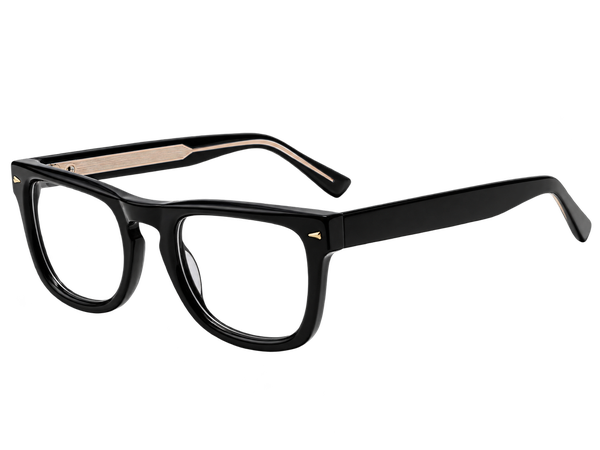
Homepage frame-category reference. It is not a confirmed T1001 variant, supplied lens condition, material specification or tested optical product.
Identify the actual quoted frame
Start with the manufacturer model or other item reference used in the quotation. Point to the selected catalogue appearance and ask which actual frame version the supplier is offering. Where the proposal uses a different reference, keep that difference visible so that the lens-state response is attached to the correct item.
The official homepage reference above shows a black rectangular frame from an angle. It is useful appearance context for the inquiry. The visible openings and reflections do not establish whether lenses are supplied or how the supplier describes any included lens component. Request the actual proposed condition directly from the manufacturer.
Request an explicit supplied-condition statement
Ask the supplier to describe the actual condition covered by the quotation. If the offer is for a frame without lenses, retain that wording against the commercial line. If demonstration or display lenses are proposed, ask the manufacturer to identify that proposed scope. If it uses another description, request its meaning for the selected item.
Do not leave a general term such as complete frame unexplained when the lens state matters to the commercial comparison. Ask the supplier what that term includes in its own proposal. The purchasing record should preserve the manufacturer answer rather than replacing it with an interpretation based on the catalogue appearance.
Buying field
Requested supplier response
Frame identity
Actual manufacturer model and version quoted.
Supplied lens state
Supplier description of the condition actually proposed.
Included component reference
Manufacturer reference or description, where a lens component is proposed.
Sample reference
Identified sample and the supplied condition it represents.
Quotation relationship
Commercial line associated with the confirmed condition.
Alternative proposal
Separate supplier reference for a different proposed condition.
Revision record
Accepted version and any manufacturer clarification retained together.
Homepage eyewear illustration only. It does not establish an actual factory, supplier machinery, process, acetate composition or the hinge assembly of an offered frame.
Keep any proposed lens reference item-specific
Where the supplier identifies a proposed lens component, request the manufacturer reference or description used to distinguish it. Ask which frame model and version the response covers. If the manufacturer has no separate part reference, retain its actual description with the quotation identity instead of inventing a technical code.
The eyewear-context illustration above contains different frame forms beside machinery. It does not establish the supplied lens condition of another frame, verify supplier machinery or define a production process. Keep the commercial response associated with the actual offered item and its identified reference.
Connect the supplied state to the sample
Request the identifier of any sample used to discuss the offer and ask which lens condition it represents. If the sample differs from the condition in the quotation, ask the supplier to explain that relationship clearly. Retain the distinction so that a display reference is not silently treated as the sample for a different supplied configuration.
Keep an appearance sample and an item-specific component statement under their actual scopes. The lens-state inquiry does not by itself establish a lens material, prescription suitability, protection property or compatibility. Where the supplier provides additional documents, retain their applicable model and version rather than assigning those statements to every frame in the catalogue.
Actual homepage T1001 card image. The appearance does not supply measurements, a lens specification, acetate verification or hinge construction.
Compare quotations using the stated condition
Place the supplier lens-state response beside the corresponding quotation line when comparing proposals. If two offers use different conditions, identify the difference explicitly rather than treating them as equivalent because their frame images are similar. Ask the manufacturer to clarify an unclear or missing condition before accepting that part of the proposal.
The round T1001 frame card above is a separate catalogue reference from the black rectangular frame. Its appearance does not define the lens condition of the rectangular offer. Request a separate manufacturer response if T1001 is also being considered, and keep the two commercial scopes distinguishable.
Retain the confirmed proposal through revisions
Before accepting the offer, compare the frame identity, supplied-condition statement and sample reference across the supplier response and quotation. Keep the agreed version with the commercial record. If the supplier changes the proposed condition, request a revised statement and its relationship to the previous proposal.
For a repeat order, refer to the earlier confirmed condition and ask whether it remains the scope of the current quotation. This preserves an accurate purchasing reference without assuming stock, component availability or a default lens condition. It also keeps the document request separate from lens fitting, removal, product use or vision advice.
Buyer FAQ
Does a transparent-looking frame image confirm included lenses?
No. Ask the supplier to define the actual lens condition in the quotation.
What if the supplier uses a broad term such as complete frame?
Request an item-specific explanation of what the proposal includes.
Can one lens-state answer cover different frame styles?
Request the manufacturer applicability statement for each actual quoted item.
What if the sample has a different condition from the offer?
Retain the supplier explanation and identify which condition the quotation actually covers.
Use the official frame appearances and T1001 product card, identify the actual supplier proposal through the manufacturer contact page and keep related catalogue references under their own item identities.
Identify the actual quoted frame version.
Request the manufacturer supplied-lens-state statement.
Keep that condition linked to the sample and quotation.
eyewear frame supplied lens conditionB2B supplier sample record