
T1001 Frame RFQs: Request the Size Drawing
For a T1001 frame RFQ, request the manufacturer size drawing or dimension-reference document for the actual offered version. Ask it to identify the document revision, labelled dimension endpoints and units, then connect the record to the sample and quotation. The homepage T1001 card identifies an appearance reference; it does not supply numerical measurements or a fit recommendation.
A model name is a useful starting point for a purchasing inquiry, while a manufacturer drawing explains what its reported dimensions refer to. A clear document request helps the buyer keep endpoints, units and product versions together. It avoids a comparison built from measurements estimated from a photograph or from a different frame design.
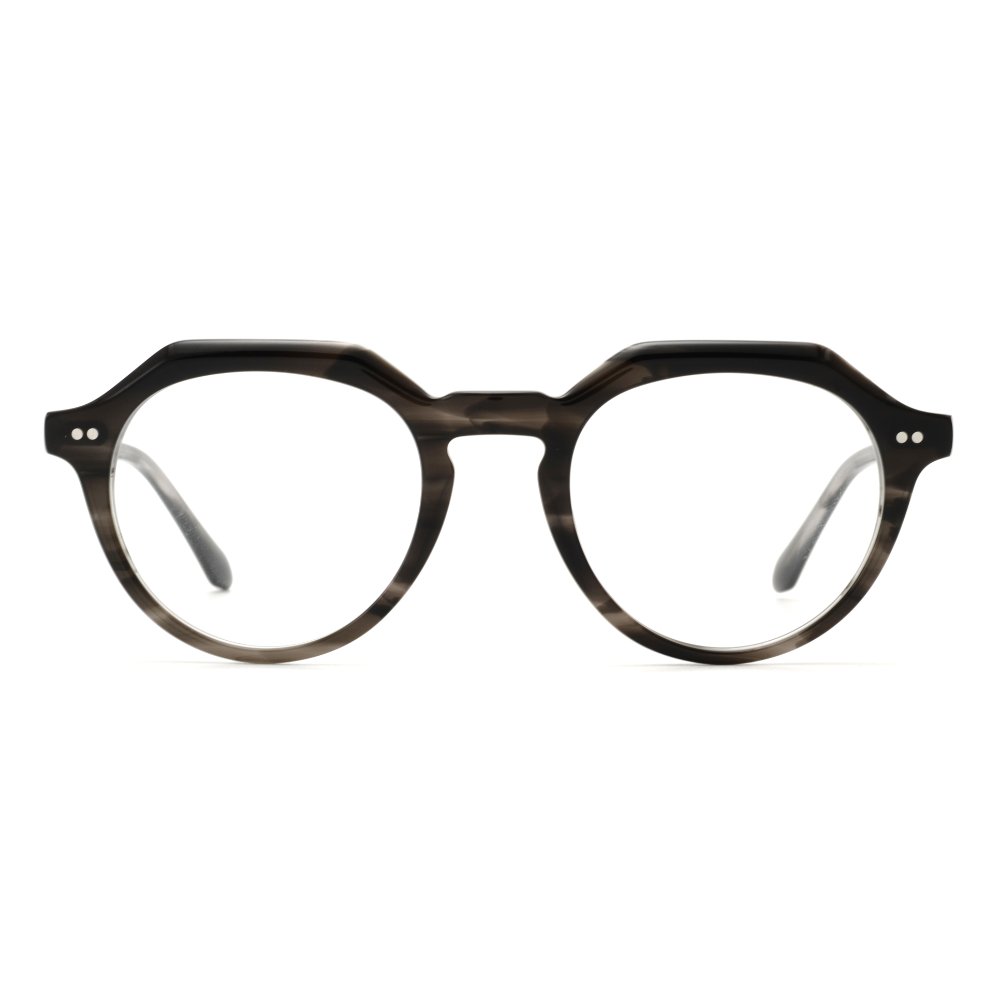
Actual homepage T1001 card image. The appearance does not supply measurements, a lens specification, acetate verification or hinge construction.
Identify T1001 in the actual supplier proposal
Use the T1001 homepage card and its frame appearance to identify the inquiry. Ask the manufacturer which actual offered model and version correspond to that reference. Where the quotation uses another identifier, request the relationship between the two before attaching a drawing to the proposal.
The official T1001 card image above shows a dark round frame from the front. It provides catalogue appearance context, rather than a dimensioned drawing. Keep that image as the product-selection reference while requesting the manufacturer record needed to understand the actual offered dimensions.
Request the drawing identity and applicable revision
Ask whether the manufacturer can provide its size drawing or other dimension-reference document for the quoted item. Request the document identifier, revision and applicable product version. If the supplier provides a marked image instead of a conventional drawing, ask how it identifies that reference and which proposal it covers.
Retain the original manufacturer identifier with the attachment. A buyer working name can help organize the file, but it should not replace the supplier document reference. This makes a later revision easier to distinguish from an earlier attachment with a similar appearance or a general catalogue filename.
Buying field
Requested supplier response
Model identity
Manufacturer confirmation of the actual T1001 offer and version.
Document identity
Supplier size drawing or reference identifier and revision.
Dimension labels
Manufacturer definitions for the named fields.
Reference points
Labelled features or endpoints to which each reported dimension applies.
Units
Manufacturer statement of the units used in the document.
Sample relationship
Identified sample and the version represented.
Commercial relationship
Quotation line linked to the applicable document.
Homepage eyewear illustration only. It does not establish an actual factory, supplier machinery, process, acetate composition or the hinge assembly of an offered frame.
Ask the manufacturer to define the dimension endpoints
Request a clear explanation of the labelled reference points for each dimension reported on the document. Keep each value attached to the feature or endpoints the manufacturer defines. If a label is unclear, ask the supplier to mark the corresponding points on its own reference rather than estimating them from the frame photograph.
The separate homepage eyewear illustration above does not define the endpoints for T1001. Different frame forms and a machinery background are not a substitute for an applicable manufacturer dimension record. Keep the drawing inquiry focused on the actual model identity instead of transferring references from another illustrated product.
Retain units and definitions with the values
Ask the manufacturer to state the units used in the drawing and explain any abbreviated dimension labels. Keep the units visible in the purchasing comparison rather than assuming that values supplied in separate documents use the same basis. Where a field remains undefined, request clarification instead of inserting a unit or definition chosen by the buyer.
A labelled dimension record answers a document-scope question. It does not by itself provide a size-marking standard, a clinical assessment or advice about the suitability of a frame for a particular wearer. The RFQ can remain focused on receiving an identifiable manufacturer drawing for the actual proposed item.
Homepage frame-category reference. It is not a confirmed T1001 variant, supplied lens condition, material specification or tested optical product.
Connect the record to the sample and quotation
Request the manufacturer identifier of any sample associated with the drawing. Ask which product version it represents and whether the dimension record applies to that version. Keep the sample reference and quotation identity with the document so that a sample for one proposal is not silently used to interpret another.
The black rectangular frame above is a separate homepage category reference. Its dimensions, if later provided by the supplier, should remain under its own model identity. It does not establish T1001 measurements, and a similar catalogue presentation does not make the two designs share a drawing.
Keep a clear revision trail for the inquiry
Before relying on the record, compare the model reference, drawing identifier, revision and units across the manufacturer response and quotation. Retain the supplier clarification of any changed labels or reference points. This keeps the comparison understandable without adding numerical dimensions that the manufacturer has not provided.
If the supplier proposes a revised frame version, request the corresponding drawing or its applicability statement. For a repeat order, refer to the earlier confirmed document and ask whether it remains applicable to the version now offered. This gives purchasing a specific supplier reference without making a fit, optical-performance or compatibility claim.
Buyer FAQ
Can T1001 measurements be taken from the catalogue image?
Request the manufacturer size drawing and its definitions instead of estimating dimensions from the photograph.
What should identify the requested drawing?
Keep the supplier document identifier, revision and applicable frame version together.
What if dimension labels or units are missing?
Ask the manufacturer to define the labels, reference points and units on its actual record.
Can the rectangular frame reference define T1001 dimensions?
No. Keep each manufacturer drawing attached to its own actual model identity.
Use the official frame appearances and T1001 product card, identify the actual supplier proposal through the manufacturer contact page and keep related catalogue references under their own item identities.
Identify the actual offered T1001 version.
Request its manufacturer dimension reference and definitions.
Retain the applicable drawing with the sample and quotation.
T1001 frame size drawing referenceB2B supplier sample record